01
What a FAT is
A factory acceptance test, FAT, is a test of a finished unit at the place where it was built, before it is shipped. It shows that the unit is in accordance with the specification.
The term is defined in IEC 62381, the standard for acceptance tests of automation systems in the process industry: an activity, including inspection and testing, that demonstrates that the system is in accordance with the specification, typically carried out at the vendor's facility. The same word is used for packaged equipment such as skids. There the content of the test is set by the order.
The reason to test in the shop is simple. A fault found there is fixed with the tools, the people and the crane at hand. The same fault found on site waits for parts and holds up the trades around it.
02
FAT, SAT and SIT
Three tests carry similar names. They differ in where they are done and what they show.
- FAT, factory acceptance test
- At the vendor's facility, before shipping. Shows that the unit meets the specification.
- SAT, site acceptance test
- On site, after the unit is set and connected. Shows that it still meets the specification after transport and installation.
- SIT, site integration test
- On site. Shows that the unit works together with the systems around it.
Loop checks and commissioning are separate activities and come in addition to these tests.
03
What is checked on a skid
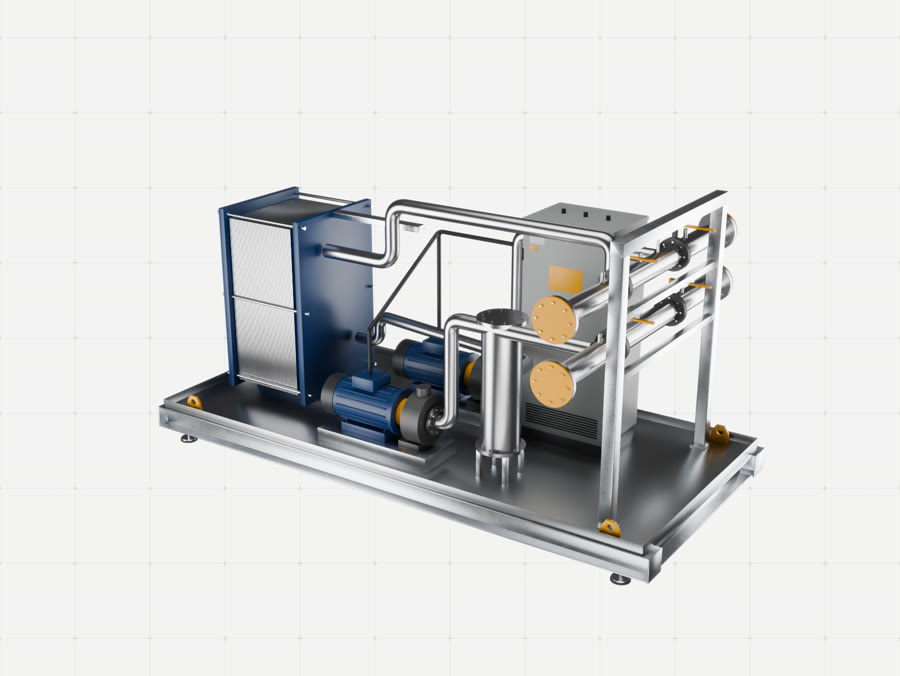
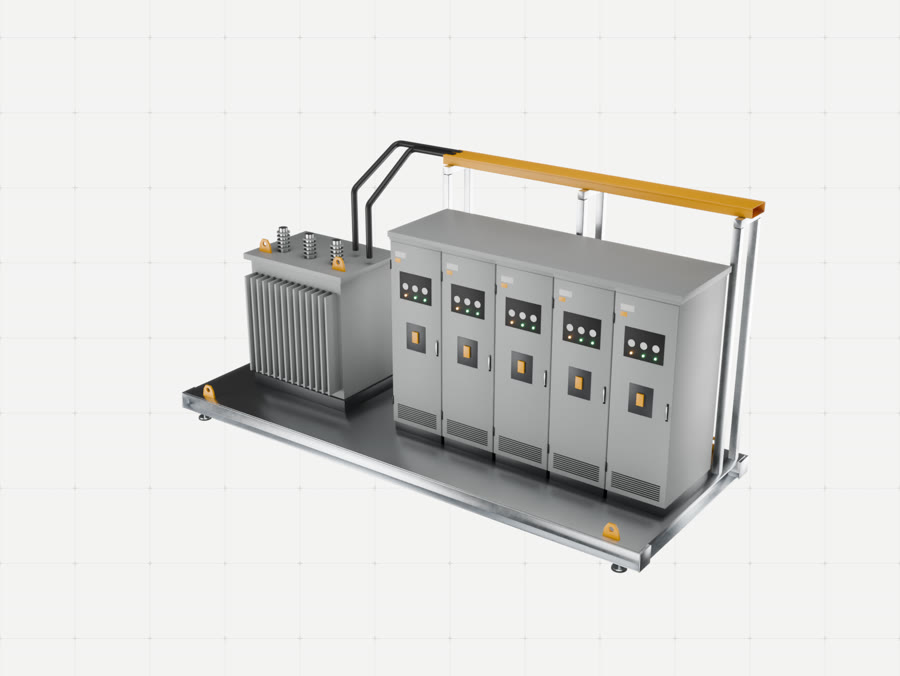
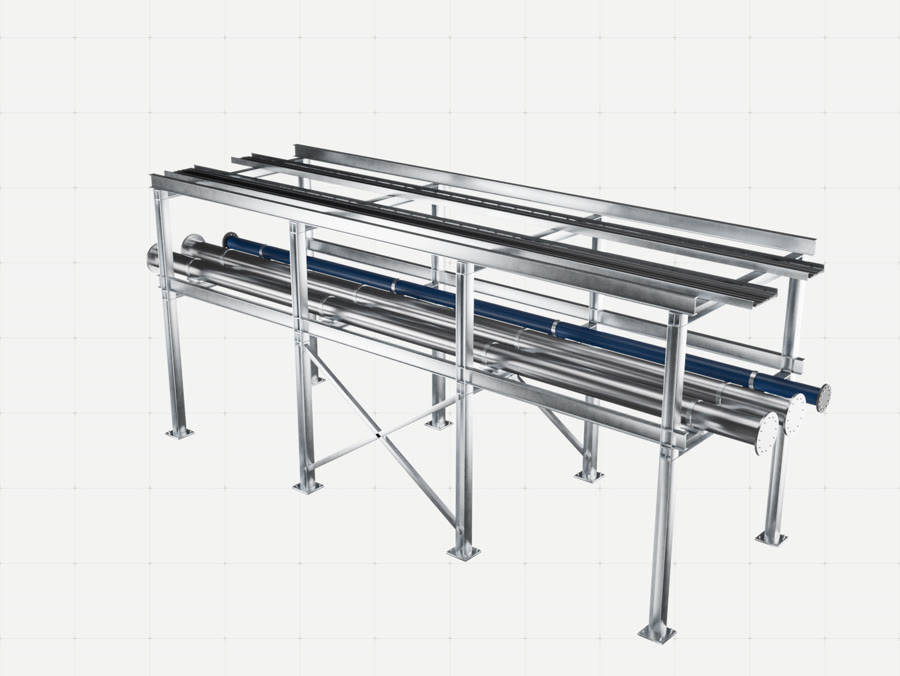
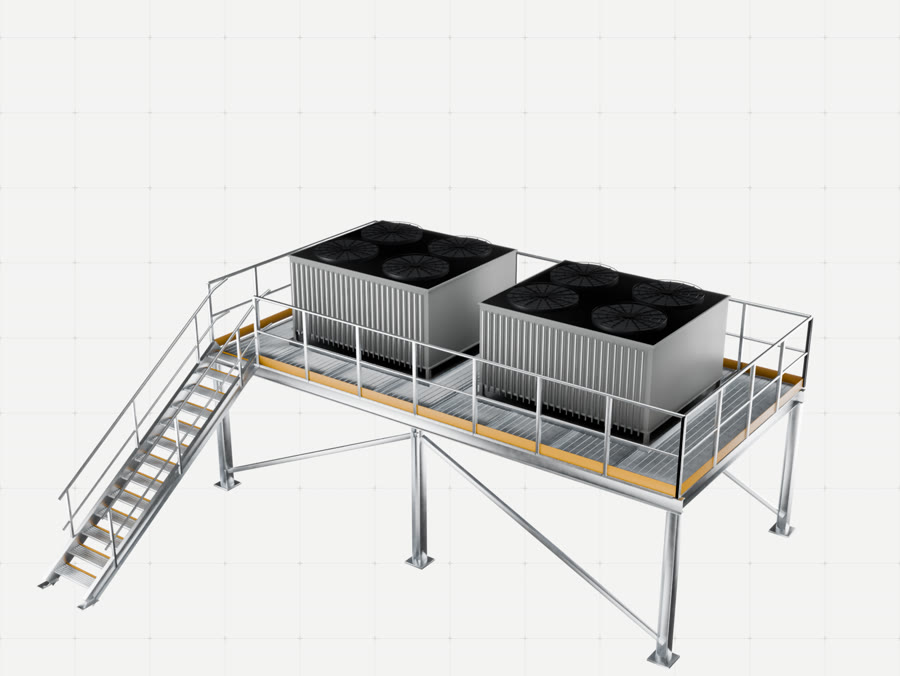
What is tested follows from what was built in the shop. A bare frame is measured and inspected. A unit with pumps, pipework and controls is also tested as a system.
- The steel
- Dimensions against the drawing, the flatness of the equipment supports, the welds, the surface treatment, and the position of lifting points and anchor holes.
- The equipment
- That each item is the one ordered, that it is aligned, and that the bolts are tightened as specified.
- The pipework
- A pressure or leak test, cleanliness, and the position of each connection flange.
- The wiring
- Earthing, insulation and continuity, and that each signal reaches the right terminal.
- The function
- That pumps, valves and controls do what the specification says, as far as it can be shown without the rest of the plant.
Steel is the confirmed scope. The other levels are agreed in the quote.
See the four levels04
What to agree before the test
A test without an agreed procedure ends in a discussion. These six points are worth settling when the order is placed, not on the day.
- The procedure
- A written test procedure, with each step and its acceptance criterion.
- Who attends
- Who witnesses the test for the buyer, and how much notice the workshop gives.
- What the shop provides
- Water, power, test medium and instruments, and what is simulated because the rest of the plant is not there.
- The punch list
- How findings are recorded, who closes them, and which ones must be closed before shipping.
- The record
- A signed report with the results, the instruments used and the open points.
- What it releases
- Whether a passed test releases shipping, a payment, or both.
05
The documents that follow the unit
The test report is one part of the documentation. For the steel, the package also holds the inspection documents for the material, the welding records and the report on the surface treatment. Which documents you get is set by the order.
How to specify steel for a data center06
After the FAT
A passed FAT does not replace the test on site. Transport and installation can move what was aligned in the shop, and the connections to the rest of the plant are first made on site.
Keep the results from the shop, so the test on site can be compared with them.